Can it drain?
Locate the existing sewer line and confirm its depth before design, because it decides where the kitchen and bathroom can go and whether slab cuts or a pump are needed.
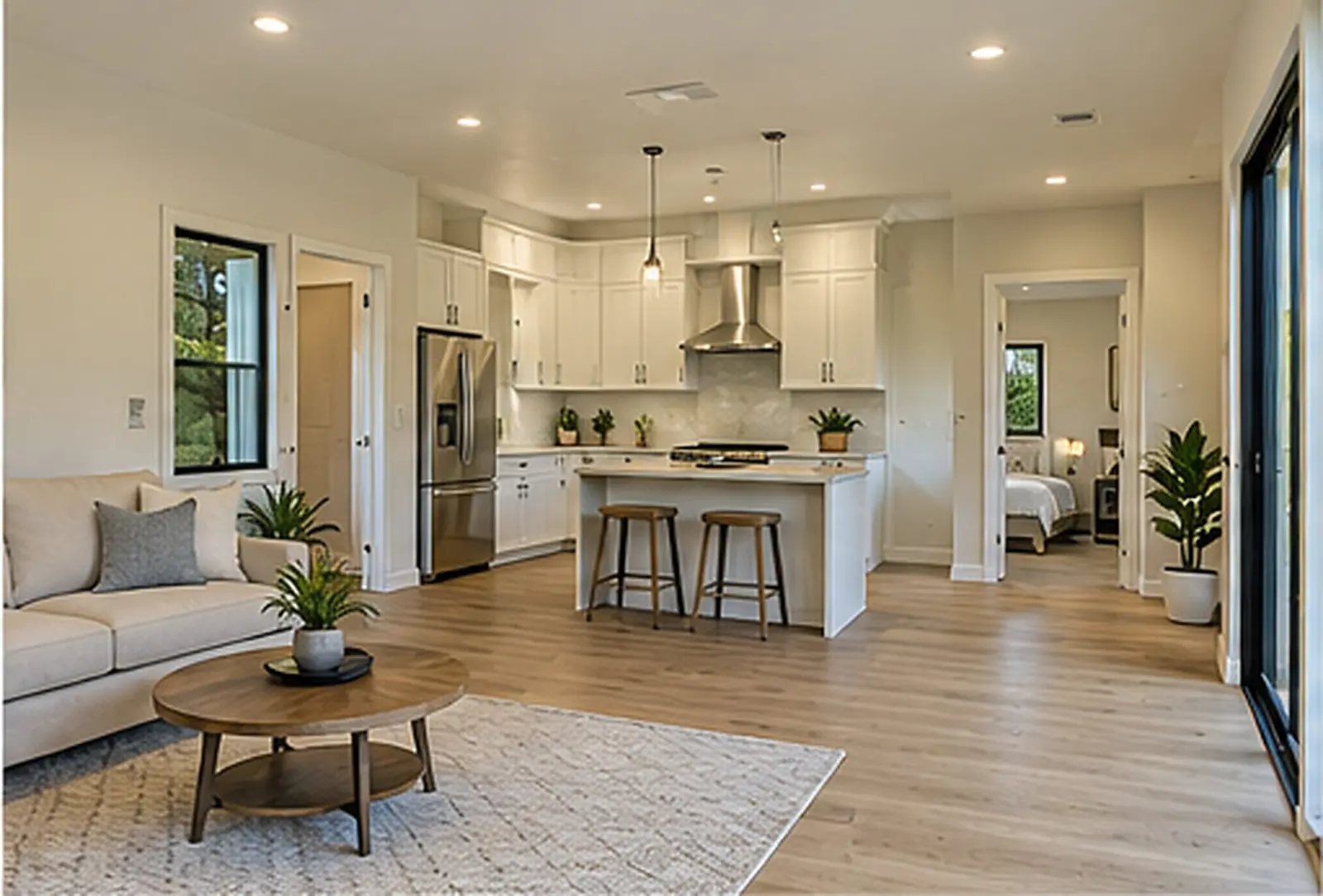
Accessory dwelling units
Garage conversions, detached backyard units, attached ADUs and junior ADUs. Learn what fits your lot and get a free consultation with a licensed local contractor.
Why an ADU
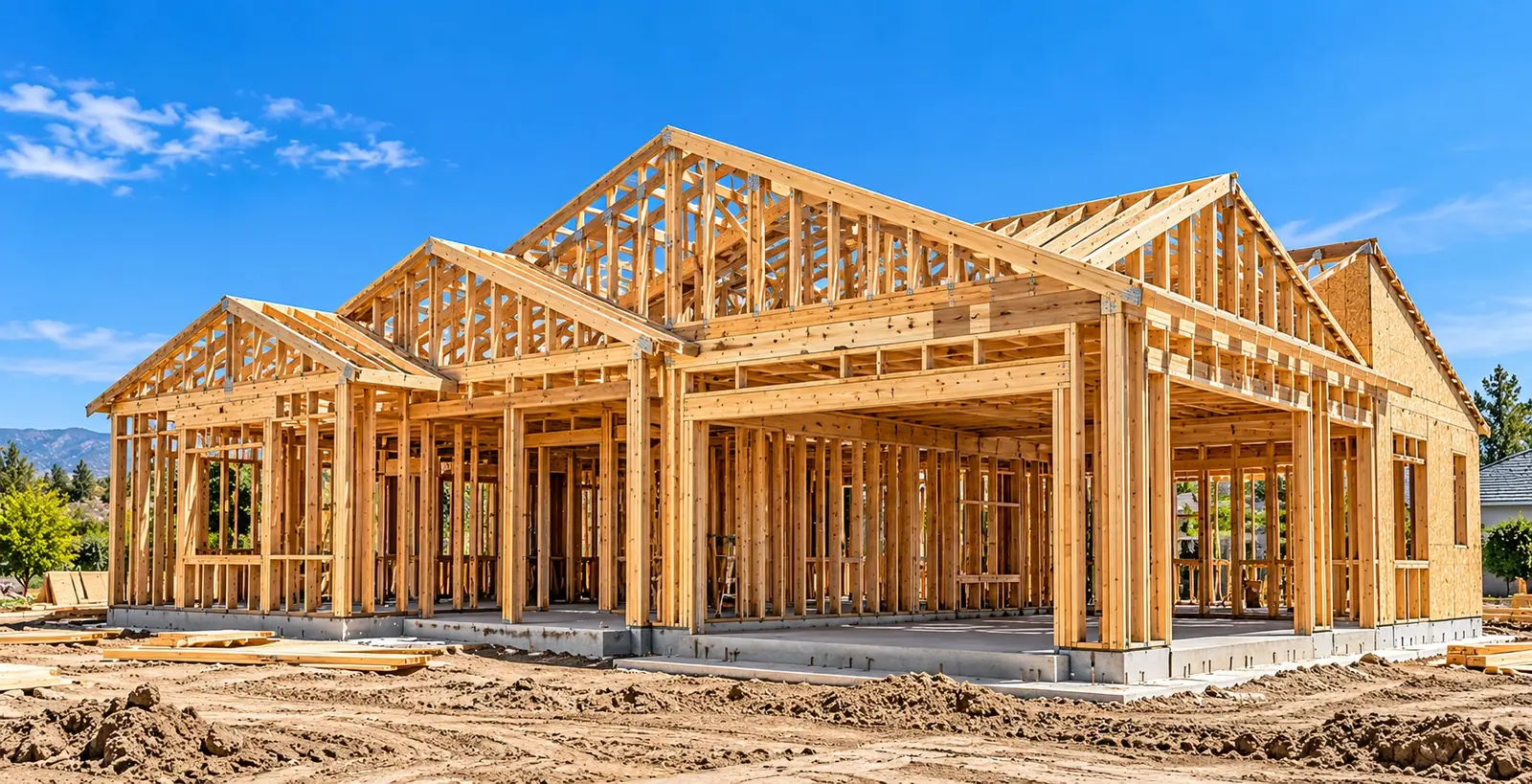
An accessory dwelling unit is a complete, independent home on the same lot as your house, with its own kitchen, bathroom and entrance.
Homeowners in Ventura County build ADUs for rental income, for aging parents who want to stay close, for adult kids saving for a place of their own, or to add long-term value to the property. California law now requires cities and counties to approve ADUs that meet state standards, which has made them one of the most practical ways to add housing on an existing lot.
What makes an ADU succeed or fail is mostly invisible: how deep the sewer runs and whether new fixtures can drain to it, whether the electrical panel and water service can carry a second home, how close you are to property lines, and whether your lot sits in a coastal zone, a fire hazard zone or a historic district. A good contractor answers those questions first, so the plans are drawn for a project that can actually be built at a price you can accept.
Garage-to-ADU conversions reuse the existing slab, walls and sometimes the roof, which usually makes them the fastest and most economical route. Detached ADUs are new freestanding backyard homes. Attached ADUs share a wall with the main house. Junior ADUs of up to 500 square feet are carved out of space inside the existing home.
The contractor you are connected with handles feasibility, budget, plans and permits, construction and final inspection under one contract, instead of a designer, a permit expediter and a builder pointing at each other.
What decides an ADU
Locate the existing sewer line and confirm its depth before design, because it decides where the kitchen and bathroom can go and whether slab cuts or a pump are needed.
Most ADUs need a panel upgrade or a new service. Size it early so it is in the budget, not a change order.
State law sets the floor, but coastal zones, fire hazard areas, historic districts and HOA rules can change setbacks, materials and approvals.
Price the site work, structure and finishes as a package before committing to full plans, so the design is drawn to a real budget.
Questions
An ADU is a complete independent dwelling that can be detached, attached or converted from existing space such as a garage. A junior ADU (JADU) is limited to 500 square feet and is created inside the existing home; it needs at least an efficiency kitchen and may share a bathroom with the main house. Many lots can have one of each.
Yes. ADUs are commonly rented long-term. State law lets cities prohibit rentals shorter than 30 days, and many do, so plan on long-term rentals unless your city says otherwise.
New construction is assessed and added to your existing assessment; the value of your existing home is not reassessed. The added amount depends on the value the county assessor assigns to the new unit. Talk to the assessor or your tax advisor for numbers on your property.
Not for a standard ADU; California does not allow cities to require owner occupancy for ADUs. For a junior ADU, since January 1, 2026, a city may only require owner occupancy if the JADU shares a bathroom with the main house. See our California ADU rules guide for details.
State law guarantees an ADU of at least 800 square feet on a qualifying lot, and detached ADUs can often be larger depending on local rules and bedroom count. Our ADU rules guide covers size, height and setback limits.
Related
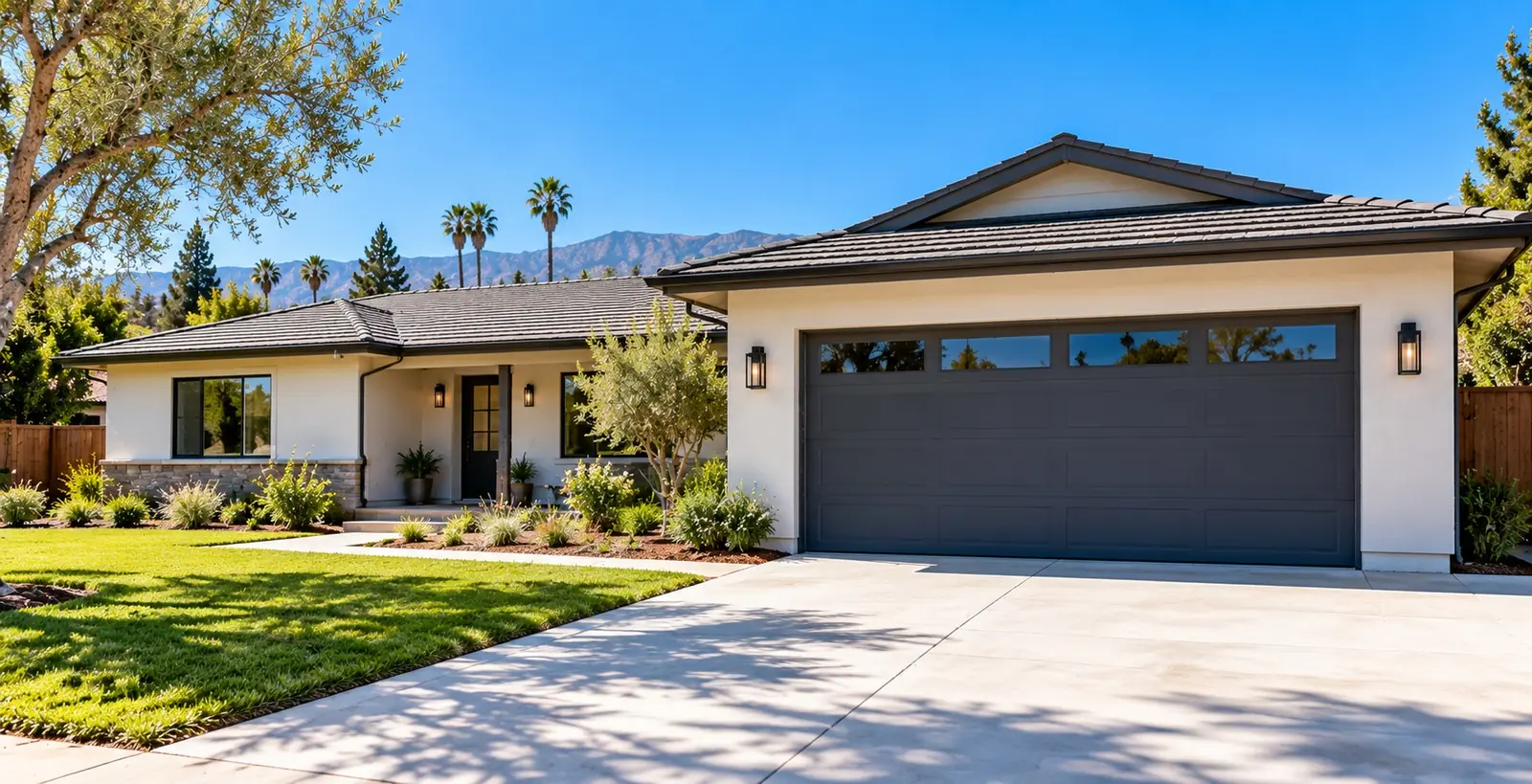
Reuse an existing garage for the fastest, most economical path to a complete ADU.
Learn more →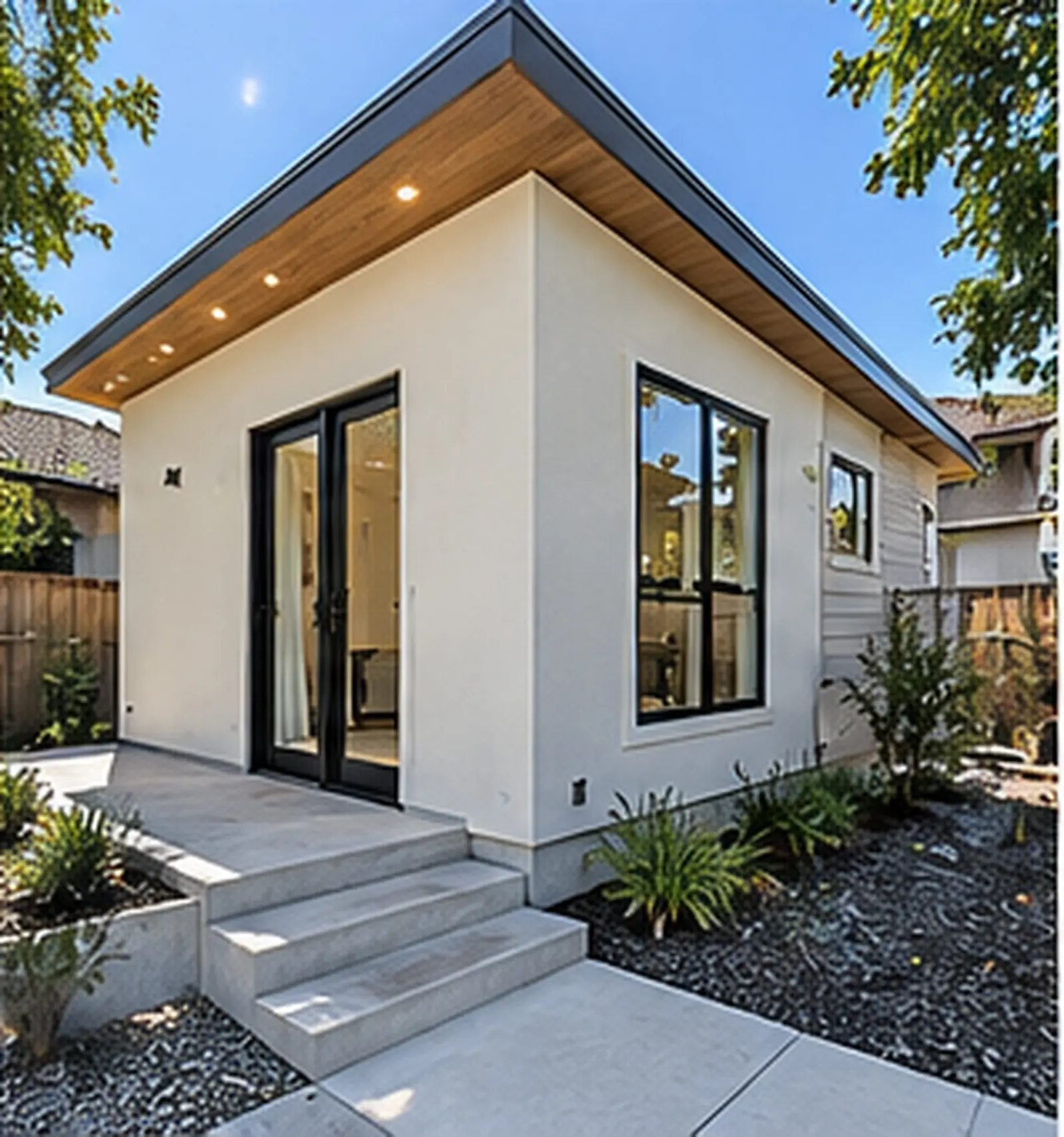
Freestanding backyard homes with full foundations, framing, utilities and finishes.
Learn more →Units that share a wall with the main house, including attached-garage conversions.
Learn more →Where
Free consultation
Share a few details about your property and the space you want to add. We will pass your request to a licensed local general contractor who specializes in ADUs and additions, and they will follow up directly.